Estrogen & Alzheimer’s: Protecting Your Brain Through Menopause
Have you ever walked into a room and forgotten why you went there? Or found yourself grasping for a word that was just on the tip of your tongue? Many women chalk these changes up to “menopause brain fog,” but behind the hot flashes and restless nights lies a deeper story: the powerful role of estrogen in memory and brain health.
For women, understanding this connection is more than science—it’s empowerment. Alzheimer’s disease affects nearly two-thirds of women, and the timing of menopause may play a pivotal role in why. Let’s explore what the research says and how you can take steps today to keep your brain vibrant and resilient.
The Surprising Role of Estrogen in Brain Health
_Estrogen isn’t just about reproduction—it’s a _neuroprotective hormone_ that:_
- Supports memory and learning
- Fuels neurons by enhancing glucose metabolism
- Improves blood flow and vessel flexibility
- Reduces inflammation and oxidative stress
What Happens to the Brain After Menopause
When estrogen declines in menopause, the brain loses these protective effects. That can mean:
- Neurons using energy less efficiently
- More oxidative stress and inflammation
- Faster brain aging processes
This may help explain why women are disproportionately affected by Alzheimer’s.
Estrogen & Alzheimer’s: What Research Shows
Scientists have long studied whether hormone replacement therapy (HRT) could help. Findings suggest:
- Starting HRT around menopause may support cognitive outcomes
- Starting it much later doesn’t provide the same benefits
Everyday Ways to Support Brain Health
Estrogen is just part of the picture—lifestyle makes a huge difference:
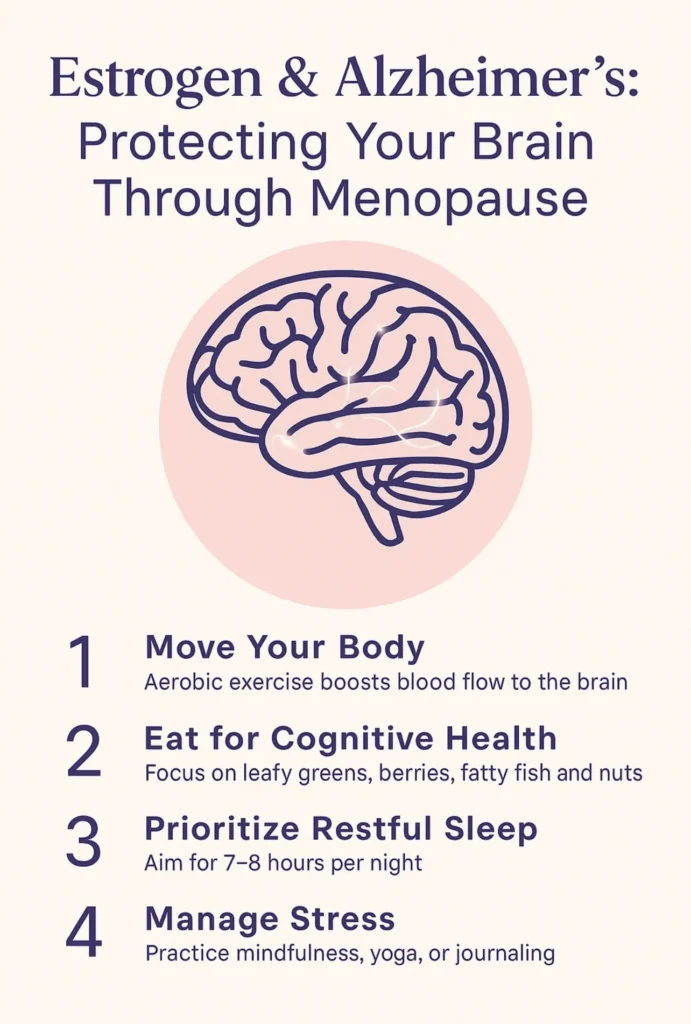
- *Exercise regularly *(150 minutes/week of aerobic activity + strength training).
- Eat brain-friendly foods like leafy greens, berries, salmon, nuts, and olive oil.
- Prioritize restful sleep to allow the brain to clear toxins.
- Manage stress with mindfulness, yoga, or journaling.
- Stay social & mentally engaged to build cognitive reserve.
At VLT, we believe menopause is not an ending, but a new chapter. Supporting your body with self-care rituals—whether soothing hot flashes or restoring restful sleep—helps reduce stress and maintain balance so you can live vibrantly.
Menopause brings change, but it’s also a chance to take proactive steps for your brain health. Through awareness, lifestyle, and self-care, women can reduce Alzheimer’s risk and strengthen memory resilience.
✨ Ready to learn more about thriving through menopause? Subscribe to our newsletter, The Menopause Collective at vltproducts.com
References
- Alzheimer’s Association. 2024 Alzheimer’s Disease Facts and Figures. Alzheimer’s & Dementia.
- Mosconi, L., et al. (2018). Menopause impacts human brain structure, connectivity, energy metabolism, and amyloid-beta deposition. Scientific Reports, 8:708.
- Rocca, W.A., et al. (2011). The role of oophorectomy in the risk of dementia and cognitive impairment. Climacteric, 14(5), 493–497.
- Henderson, V.W. (2014). Alzheimer’s disease in women. International Journal of Clinical Practice, 68(9), 871–875.
- Whitmer, R.A., et al. (2011). Timing of hormone therapy and dementia: The critical window hypothesis revisited. Annals of Neurology, 69(1), 163–169.
- Morris, M.C., et al. (2015). MIND diet associated with reduced incidence of Alzheimer’s